

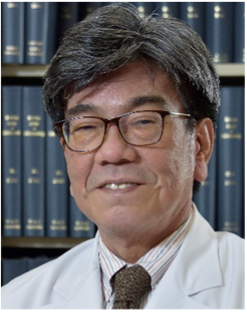
Medical Advisor
Katsuaki Kato
Graduated from Tohoku University School of Medicine in 1988; Doctor of Medicine.
After working at the Tohoku Rosai Hospital Department of Internal Medicine, Tohoku University Third Department of Internal Medicine, the Pathology Department of Tohoku University Hospital, and a fellowship at the National Cancer Institute (USA), he joined the Miyagi Cancer Society Cancer Check-up Center in 2004. He has served as the Director of the Cancer Check-up Center and Executive Director of the Miyagi Cancer Society since 2020.
His previous roles include Board Member of the Japanese Society of Gastrointestinal Cancer Screening, Advisor to the Gastric Cancer Screening Quality Assurance Committee, Chairperson of the Editorial Committee for the “Gastric Endoscopy Screening Manual for Population-based Screening (Revised Edition),” and Chairperson of the Editorial Committee for the “Radiographic Method Manual for Gastric X-ray Screening.”
— Comments on Our Products —
About 10 years have passed since gastric endoscopy was introduced as a public cancer control measure in Japan. Current gastric endoscopy screening is mainly operated through individual screenings utilizing the framework of insurance-covered medical care. While this ensures high diagnostic accuracy, it also places a heavy burden on regional medical resources.
Consequently, challenges such as capacity limits of the screening system, regional disparities in medical institutions, and high-cost structures have become apparent, leaving some areas unable to fully benefit.
The screening-specific disposable endoscopy system being developed by Endoluminal Solutions is expected to be an effective solution to the challenges of “throughput,” “accessibility,” and “economic efficiency” while maintaining sufficient performance for gastric cancer screening.
Once this system is implemented in society, it will expand the possibility of providing high-precision endoscopic screening as an alternative to gastric X-ray screening (barium tests), even in regions that have had to rely on group screenings via mobile buses.
There are high expectations for this system to realize a society where everyone can receive equally high-quality gastric cancer screening regardless of their region, while freeing examinees from the disadvantage of radiation exposure.
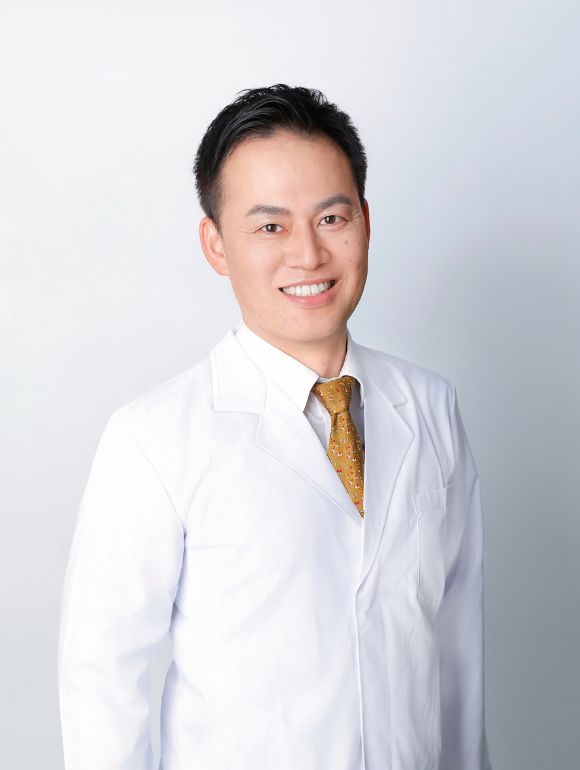
Medical Advisor
Daiki Higashihara
Graduated from Kobe University School of Medicine in 2001 and obtained a Doctor of Medicine in 2012.
He has accumulated clinical experience centered on diagnostic radiology and Interventional Radiology (IVR) at Osaka University Hospital and related facilities, engaging in a wide range of fields from diagnostic imaging to minimally invasive treatments.
In 2022, he was appointed Associate Professor of the Endowment Course of Image-guided High-precision Puncture Therapy, focusing on clinical practice, research, and education aimed at improving the precision and safety of image-guided treatments. In 2025, he was appointed Vice Director of the Radiology Department at Osaka University Hospital (and Director of the IVR Center), where he oversees department management and the development of the next generation of human resources in addition to medical care, education, and research.
— Comments on Our Products —
I have recently been appointed as a Medical Advisor for Endoluminal Solutions. As a physician specializing in diagnostic radiology, I have also been involved in health check-up medicine. Since gastric barium tests use X-rays, a single examination is said to involve dozens of times the radiation exposure of a chest X-ray. Health screenings are medical procedures that healthy individuals undergo repeatedly, leading to cumulative exposure. Given that the probability of future effects theoretically increases with cumulative dose, reconsidering the nature of screenings—now that non-radiological alternatives are being established—is an unavoidable challenge.
Endoscopic technology has advanced significantly over the past few decades and has reached a stage of maturity in terms of diagnostic accuracy, safety, and operational aspects. I believe that transitioning from radiation-dependent screenings to more rational and sustainable methods is a natural evolution of medicine. This project is a realistic effort to support that transition while addressing infection control and practical operational challenges. I have joined this project as a specialist with an eye toward the next stage of screening medicine.
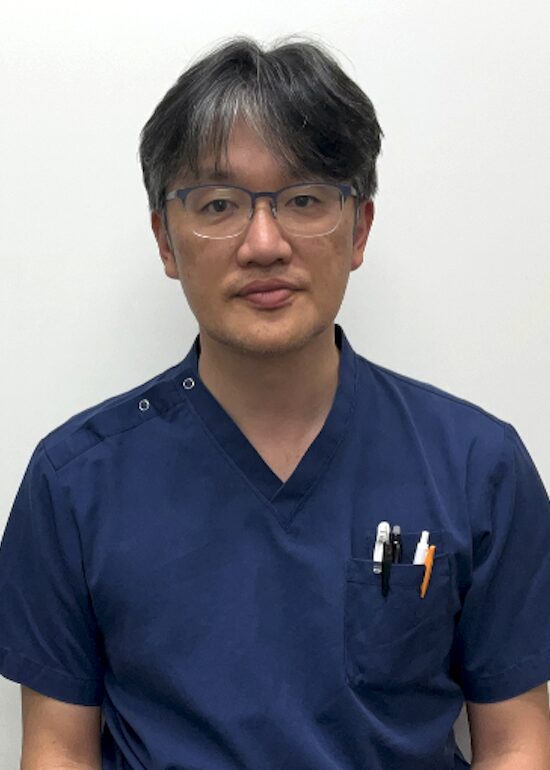
Medical Advisor
Junichi Nishimura
Dr. Nishimura graduated from the Faculty of Medicine, Osaka University, in 1999 and received his Ph.D. in Medicine from Osaka University Graduate School of Medicine in 2009. After serving at Osaka Rosai Hospital and Osaka University Hospital, he joined the Department of Gastrointestinal Surgery at Osaka International Cancer Institute in 2017. Since 2022, he has also served as Director of the Department of Medical Information.
Drawing on his experience as both a basic medical researcher and a gastrointestinal surgeon, he is currently engaged in the development of medical information systems, including software and application development, backup system design, and the application of AI in healthcare.
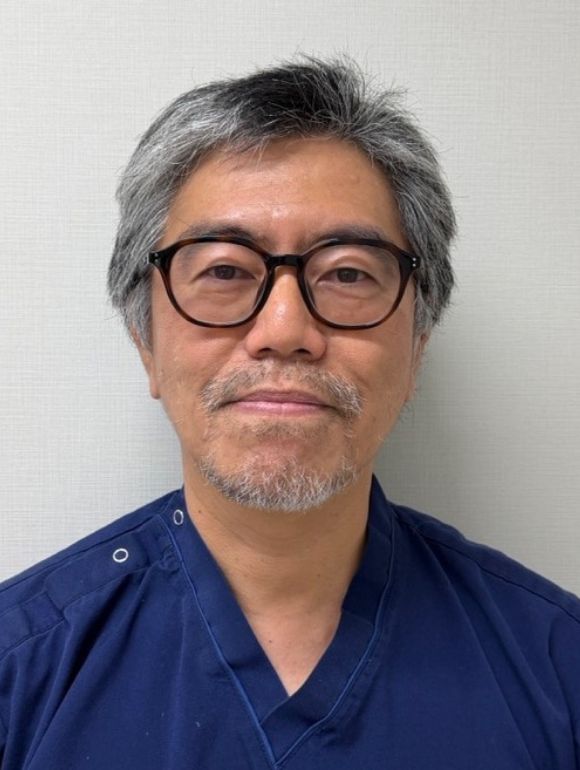
Medical Advisor
Takuya Kimura
After starting his residency at the First Department of Surgery, Osaka University Hospital, he completed his doctoral course at the same university’s graduate school in 2003 (Doctor of Medicine). He furthered his expertise at Osaka University Department of Pediatric Surgery, the Department of Transplant Surgery at the University of Bologna (Italy), and King’s College London (UK). After working at Kindai University Nara Hospital, he joined Yao Tokushukai General Hospital in 2012 and was appointed Vice Director in 2021. Having been involved in medical care for remote islands and rural areas for many years, he has faced the challenge of regional disparities in medical access. Drawing on that experience, he is working to realize a society where everyone can receive high-quality gastric cancer screenings on an equal basis, regardless of where they live.
Medical Advisor
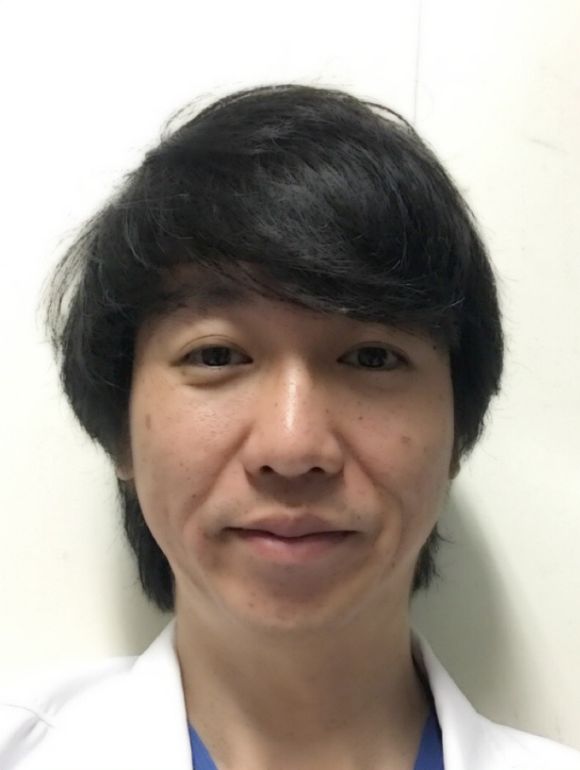
Takanori Yakuwa
He has been involved in the operation of central operating rooms for 20 years at Shinseikai General Hospital and Yao Tokushukai General Hospital. From a perspective rooted in clinical practice, he excels in systematizing hospital operations and building organizational structures, working to realize efficient and sustainable medical sites that integrate medicine with digital technology. Leveraging his experience to date, he serves as a bridge between technology and medicine, enhancing the effectiveness and reproducibility of our business.