

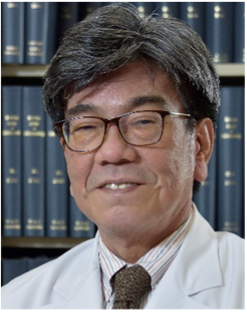
Medical Advisor
加藤 勝章Katsuaki Kato
Graduated from Tohoku University School of Medicine in 1988, Doctor of Medicine.
After working in the Department of Internal Medicine at Tohoku Rosai Hospital, the Third Department of Internal Medicine at Tohoku University School of Medicine, the Department of Pathology at Tohoku University Hospital, and studying abroad at the National Cancer Institute in the United States, he joined the Cancer Screening Center of the Miyagi Cancer Association in 2004, and has been serving as the Director of the Cancer Screening Center and Executive Director of the Miyagi Cancer Association since 2020.
He has served as a former director of the Japanese Society of Digestive Cancer Screening, an advisor to the Society's Gastric Cancer Screening Quality Control Committee, chairman of the editorial committee for the revised edition of the Gastric Endoscopic Screening Manual for Preventive Screening, and chairman of the editorial committee for the Gastric X-ray Screening Imaging Method Manual.
-Comments about our products-
Approximately 10 years have passed since gastroscopy screening was introduced as a public cancer prevention measure in Japan. Current gastroscopy screening is mainly conducted as an individual examination within the framework of health insurance treatment, and while it has a high diagnostic accuracy, it also places a heavy burden on local medical care.
As a result, issues such as limited capacity in the testing system, uneven distribution of medical institutions across regions, and high cost structures have become apparent, and there are still regions that are not fully benefiting from this.
The screening-specific disposable endoscopic system being developed by Endoluminal Solutions is expected to be an effective solution to the issues of "mass processing capacity," "accessibility," and "economic efficiency" that have been plaguing conventional endoscopic screening, while maintaining sufficient performance for gastric cancer screening.
If this system is implemented in society, it will be possible to provide highly accurate gastrointestinal endoscopy examinations as an alternative to gastric X-ray examinations (barium tests) even in areas where it has been necessary to rely on mass examinations via mobile buses.
There are high hopes for this system, which will free examinees from the disadvantages of radiation exposure and help create a society in which everyone can receive equal, high-quality stomach cancer screening, regardless of where they live.
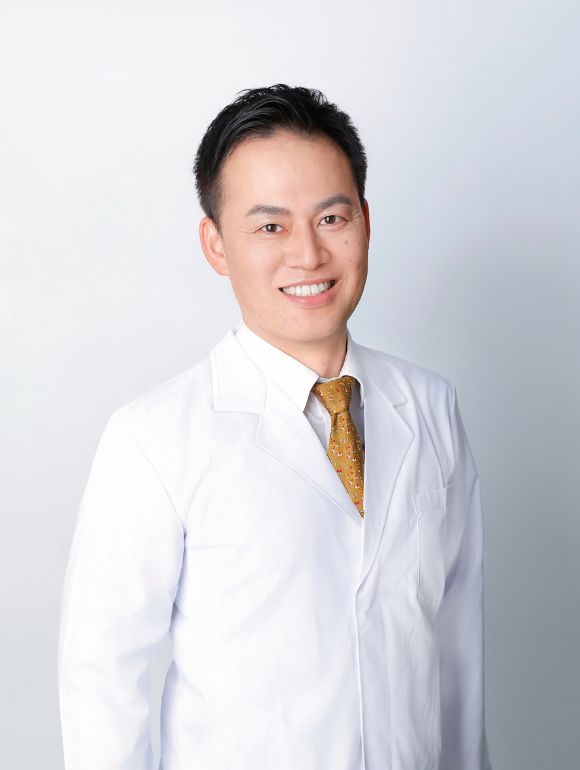
Medical Advisor
Hiroki HigashiharaDaiki Higashihara
Graduated from the Kobe University School of Medicine in 2001 and received his Doctor of Medicine degree in 2012.
He has accumulated clinical experience, primarily in diagnostic radiology and interventional radiology, at Osaka University Hospital and related facilities, and has worked in a wide range of fields, from diagnostic imaging to minimally invasive treatment.
In 2022, he was appointed associate professor of the Endowed Chair in High-Precision Image-Guided Puncture Therapy, focusing on clinical practice, research, and education aimed at improving the precision and safety of image-guided treatment. In 2025, he was appointed deputy director of the Department of Radiology (and director of the IVR Center) at Osaka University Hospital, where he is responsible for medical treatment, education, and research, as well as department management and the development of the next generation of human resources.
-Comments about our products-
I have recently been appointed as a medical advisor for Endoluminal Solutions. As a physician specializing in diagnostic radiology, I have also been involved in medical screening. Because a barium stomach examination uses X-rays, even a single examination is said to expose patients to radiation equivalent to several dozen times that of a chest X-ray. Screening examinations are medical treatments that healthy people undergo repeatedly, and radiation exposure is cumulative. Given that the probability of future effects theoretically increases with cumulative radiation dose, and given that alternative methods that do not use radiation are now being established, it is unavoidable to reconsider the nature of screening.
Endoscopic technology has made great advances over the past few decades and has reached a mature stage in terms of diagnostic accuracy, safety, and operation. I believe that the transition from radiation-dependent screening to more rational and sustainable methods is a natural evolution in medicine. This project is an effort to practically support this transition while also addressing infection control and practical issues. I have decided to participate in this project as a specialist, with an eye toward the next stage of screening medicine.
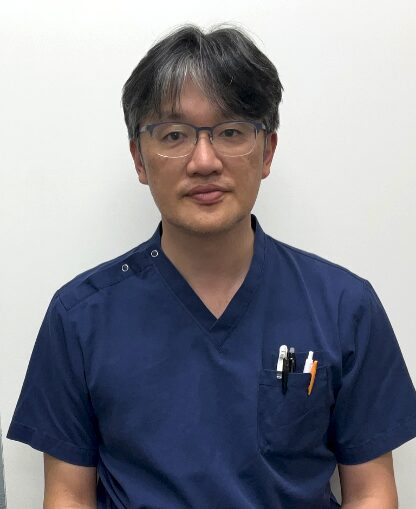
Medical Advisor
西村 潤一Junichi Nishimura
1999年大阪大学医学部医学科卒。2009年同大学院博士課程修了(医学博士)。大阪労災病院外科、大阪大学医学部付属病院等を経て、2017年より大阪府立病院機構 大阪国際がんセンター消化器外科、2022年より同医療情報部主任部長を兼務。基礎研究者、消化器外科医の経験をもち、現在は医療情報分野のアプリ開発やバックアップシステム開発、AIを用いた医療情報の利活用に取り組んでいる。
病院などの医療機関における医療DXは電子カルテの導入やマイナンバーカード・スマホによる保険証確認などが進んでいる。近年では病院情報システムにもAIや生成AIの機能を搭載したシステムも医療機関に導入されている。一方、がん検診の分野ではマイナンバーカードを用いた検診情報のオンライン共有などの試みが開始されているが、全国的に普及している状況ではない。今回、エンドルミナル・ソリューションズ社が開発を進める検診特化型ディスポーザブル内視鏡システムは医療機関で進化したAIの機能を搭載しつつ検診結果を一元的に管理し受診者、自治体、医療機関と連携できるシステムとなることを期待している。
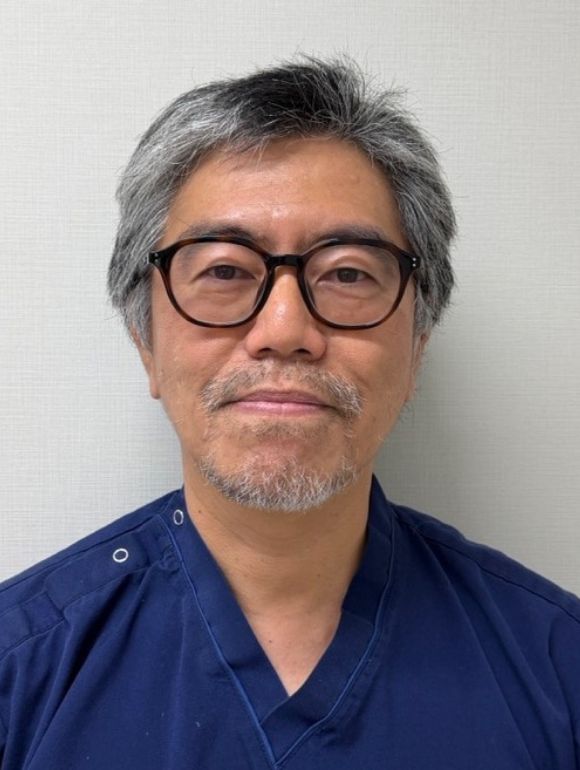
Medical Advisor
木村 拓也Takuya Kimura
After starting his training at the First Department of Surgery at Osaka University Hospital, he completed his doctoral studies at the same university in 2003 (Doctor of Medicine). After that, he continued his studies both in Japan and overseas, including at the Department of Pediatric Surgery at Osaka University, the Department of Transplant Surgery at the University of Bologna in Italy, and the Department of Transplant Surgery at King's College London in the UK, and after working at Kinki University Nara Hospital, he has been working at Yao Tokushukai General Hospital since 2012. In 2021, he was appointed Vice Director of the hospital.
長年にわたり離島・僻地医療に携わり、医療アクセスの地域格差という課題に向き合ってきた。その経験を活かし、居住地域に左右されることなく、誰もが等しく質の高い胃がん検診を受けられる社会を目指し、実現に向け取り組んでいる。
Medical Advisor
八鍬 貴則Yakuwa Takanori
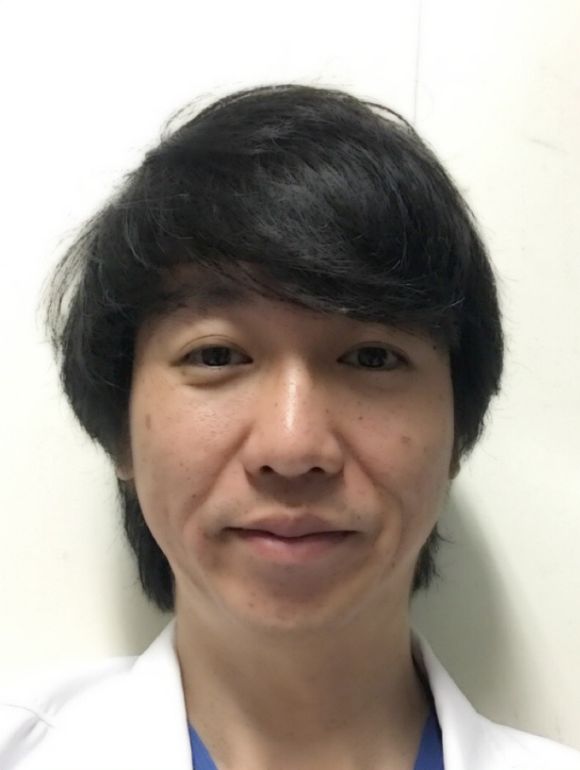
He has been involved in the operation of the central operating room at Shinseikai General Hospital and Yao Tokushukai General Hospital for 20 years. With a perspective rooted in clinical practice, he has strengths in systematizing hospital management and building structures, and is working to realize an efficient and sustainable medical field that combines medical care and digital technology.
Utilizing his experience to date, he is acting as a bridge between technology and medical care to increase the effectiveness and reproducibility of the project.